

Choosing paint is about more than finding the right shade. The finish changes the way light moves across a wall, how a room feels and how easy a surface is to live with. For London homes, where a sunny front room and a shaded hallway can sit just a few metres apart, it helps to think about each space separately.
Start with the surface, then the room
Make a short list of what you are painting: walls, ceilings, skirting boards, internal doors or fitted furniture. A finish made for walls may not be suitable for woodwork, so check the product instructions before buying. The room matters too. Busy halls, quiet bedrooms and kitchens put different demands on a painted surface.
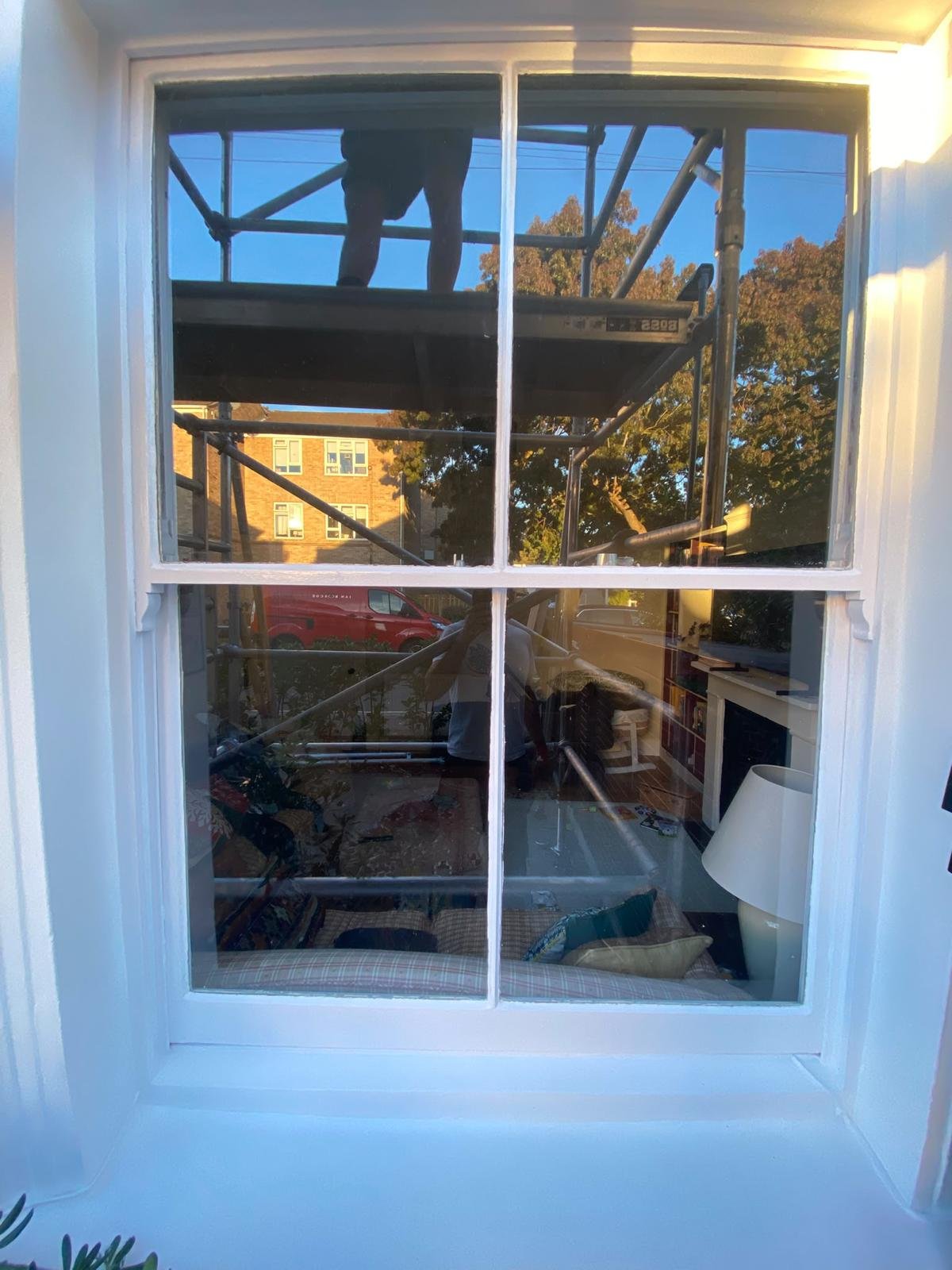
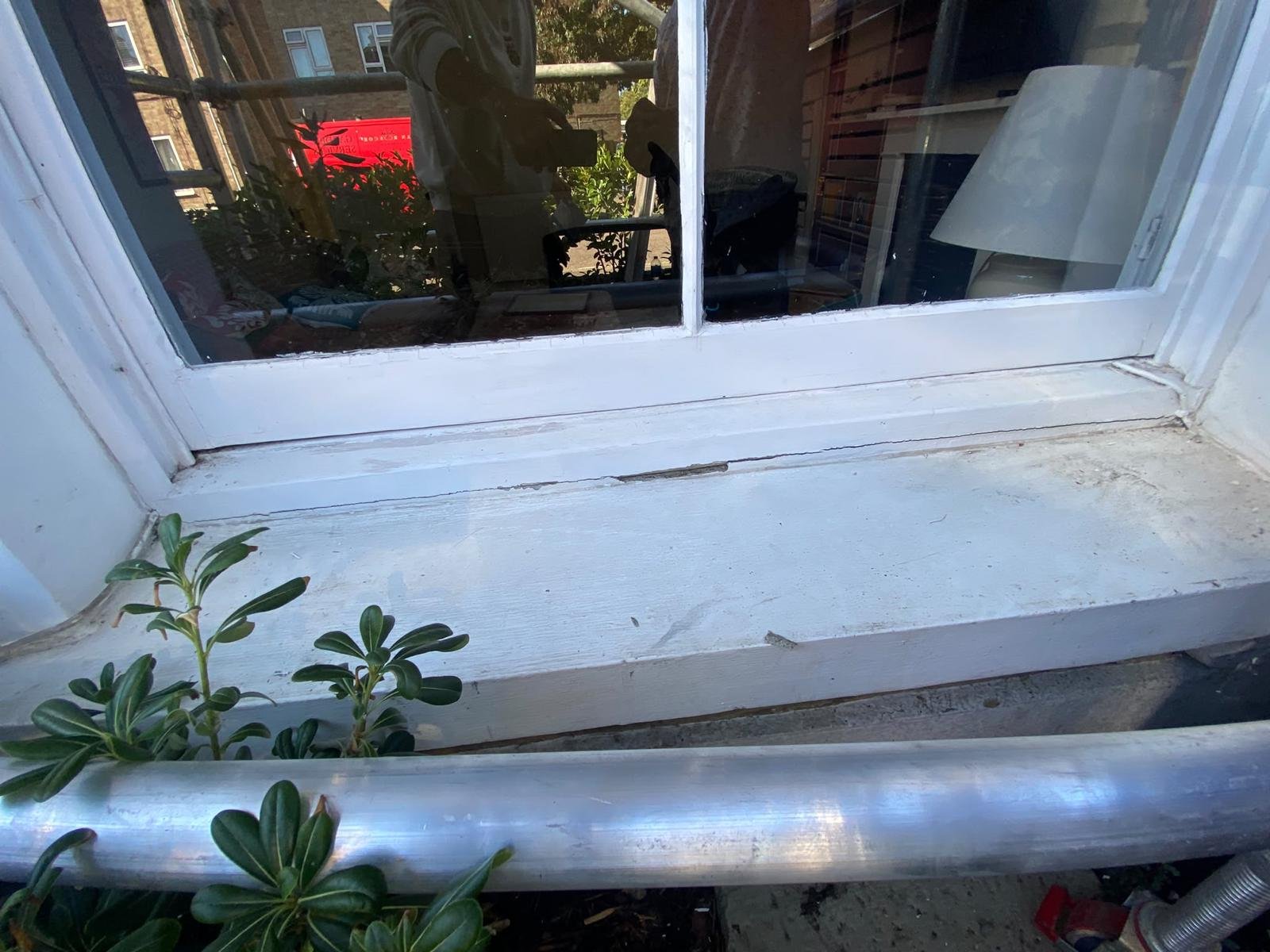
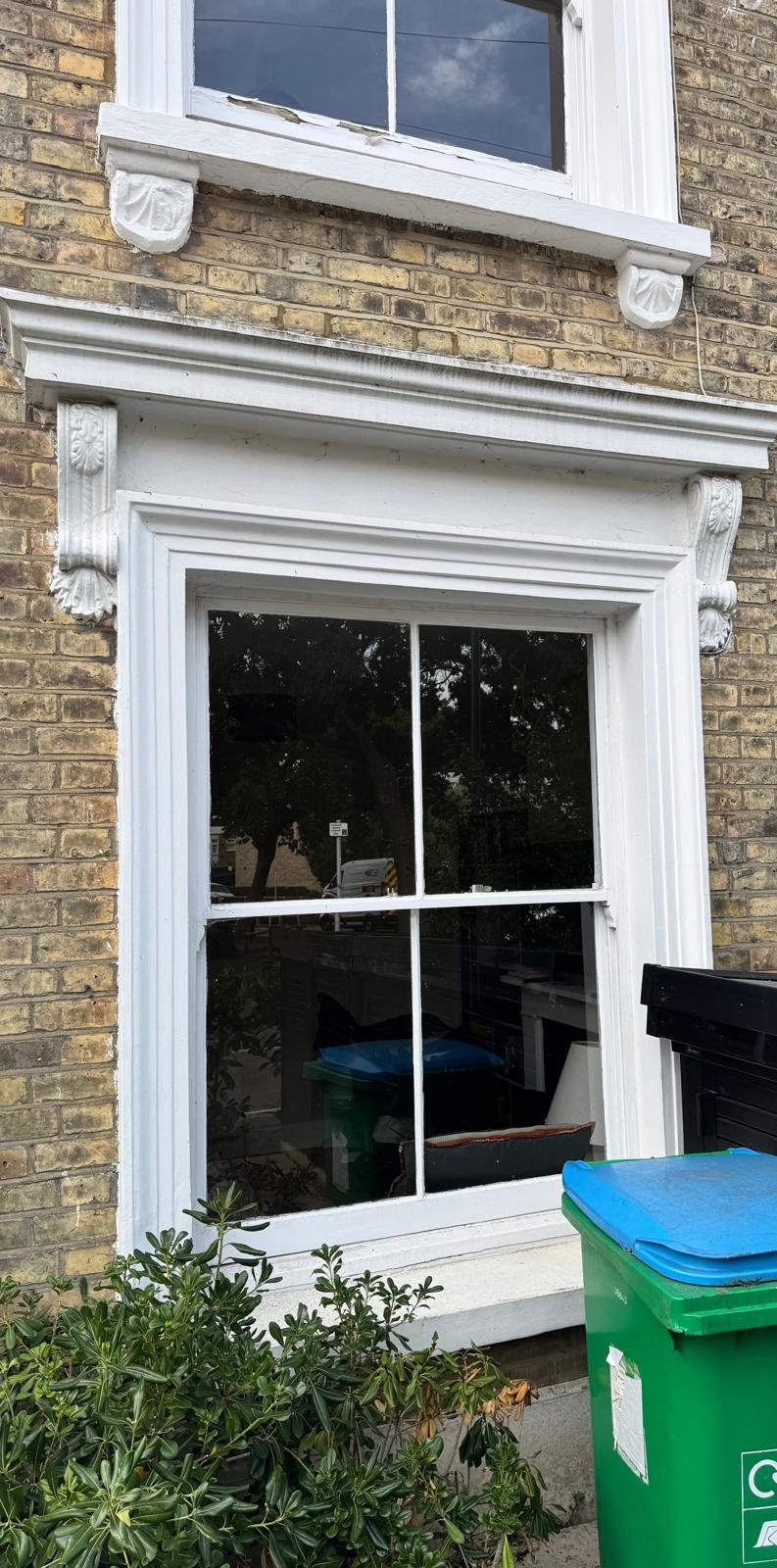
Look at the existing condition as well. A new colour cannot hide loose paint or uneven preparation. Share photographs of cracks, flaking patches and previous coatings with your decorator so that the preparation can be included in the quote.
Matt: a calm, understated look
Matt paint reflects relatively little light, which gives walls a soft appearance. It can work especially well in bedrooms, sitting rooms and on ceilings. The result usually lets the colour take centre stage without a noticeable sheen.
Durability varies between products. If you are painting a busy space, look for a finish specifically described by the manufacturer as washable or durable. Do not assume every matt paint can be cleaned in the same way; check its care guidance.
Eggshell and satin: think about everyday use
Eggshell generally has a gentle sheen, while satin usually reflects more light. These names are useful starting points, but the exact appearance differs between brands. They are common choices for interior woodwork when the product is designed for that surface.
A finish with more sheen can draw attention to bumps and imperfect preparation. It is worth allowing time for cleaning, sanding and the appropriate primer rather than choosing a shinier coating to solve a surface problem.
Test it in your actual light
A small colour card cannot show how a whole room will feel. Try a suitable sample and view it in morning light, afternoon light and under your usual lamps. Compare it beside flooring, curtains and furniture that will stay in the room.
Before committing, write down the brand, colour, finish and product name. Keeping that record makes later touch-ups much easier. If you would like help planning the painting work, send Brush & Bolt your London postcode, room photographs and the surfaces you want refreshed.